

1. IT sector
The IT sector is a dynamic field encompassing software development, information technology, cloud computing, artificial intelligence, and other technological innovations. Companies in the IT sector are often drivers of change and innovation, working on solutions that transform the way the world operates. This fast-paced industry requires a high level of agility, continuous learning, and adaptability to stay competitive amid rapid technological advancements. The IT sector plays a crucial role in supporting other industries, enabling them to leverage the benefits of digital transformation.


2. Service industries
A key characteristic of service industries is the provision of intellectual or professional services, often tailored to the individual needs of clients. This sector includes services from tourism, finance, design, healthcare, consulting, and other industries that play a crucial role in supporting various sectors and maintaining economic activity.
3. Construction and Real Estate Management
The construction industry encompasses planning, design, construction, and maintenance of infrastructure projects, ranging from residential buildings to commercial complexes. Real estate management, on the other hand, focuses on efficient property administration and maintenance. This sector requires precise planning, coordination, and resource management to ensure successful development and upkeep of infrastructure.

4. Energy sector
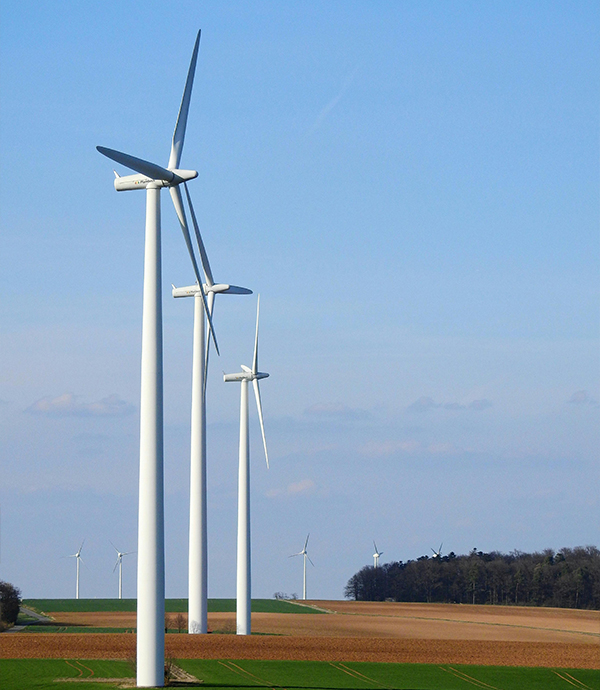
The energy industry is a key pillar of the global economy, encompassing the production, distribution, and utilization of energy. This dynamic sector continuously adapts to challenges such as energy efficiency, the development of renewable sources, and the need to reduce greenhouse gas emissions. Companies in the energy sector must balance supply security, sustainability, economic efficiency, and emerging technological trends.
5. Healthcare sector
The healthcare industry, as a key component of society, is dedicated to preserving and improving the health of individuals and communities. It encompasses the provision of medical services, the production of medical equipment, and pharmaceutical products. The focus is on delivering quality healthcare, fostering medical innovations, and enhancing patient outcomes. The sector faces challenges such as access to healthcare services, rising costs, technological advancements, and the need for sustainable healthcare models.

6. Manufacturing industry
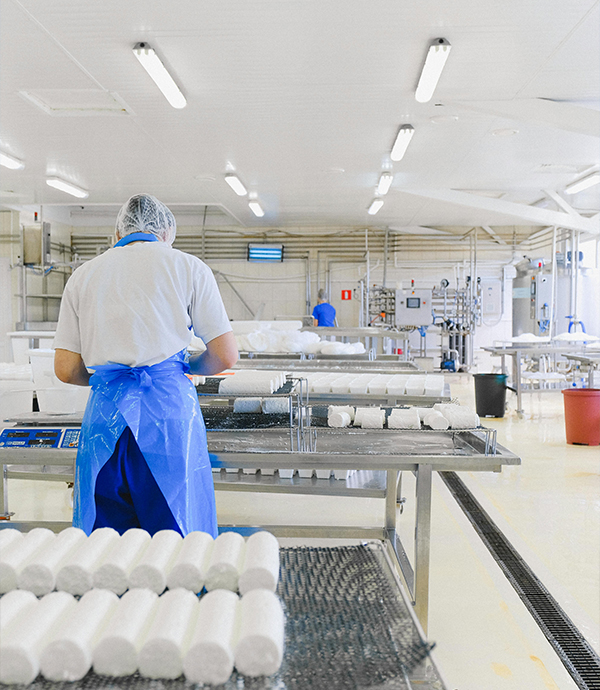
The manufacturing industry involves transforming raw materials into finished products, whether in food processing, automotive, chemical, textile, or other sectors. Challenges faced by the industry include managing complex supply chains, technological innovation, reducing environmental impact, and adapting to dynamic market changes. Competition is often intense, requiring flexibility and quick responses to shifts in demand and trends.
7. Transport and Distribution
The transport and distribution industry involves freight and passenger transportation, as well as efficient management of goods distribution. Various transport modalities—air, land, sea, and rail—play a crucial role in the global supply chain. Challenges faced by this industry include logistics optimization, cost reduction, transport security, inventory management, and adaptation to market changes. Efficiency and accuracy are key, while technological innovations play a significant role in improving operations.


8. Wholesale and Retail
Wholesale and retail encompass the distribution and sale of products. Wholesale involves bulk sales to other businesses, while retail focuses on delivering goods to end consumers. Challenges in these industries include shifts in consumer behavior, competition, inventory management, technological innovation, and adaptation to dynamic market trends.
Schedule a free consultation.
Offices
Ruvarčeva 12, 11000 Beograd
Contact
Business hours
Monday – Friday: 08:00 — 17:00